Avinoam Shalem
Meteors: On the Gravity and Weight of the Divine
Abstract:
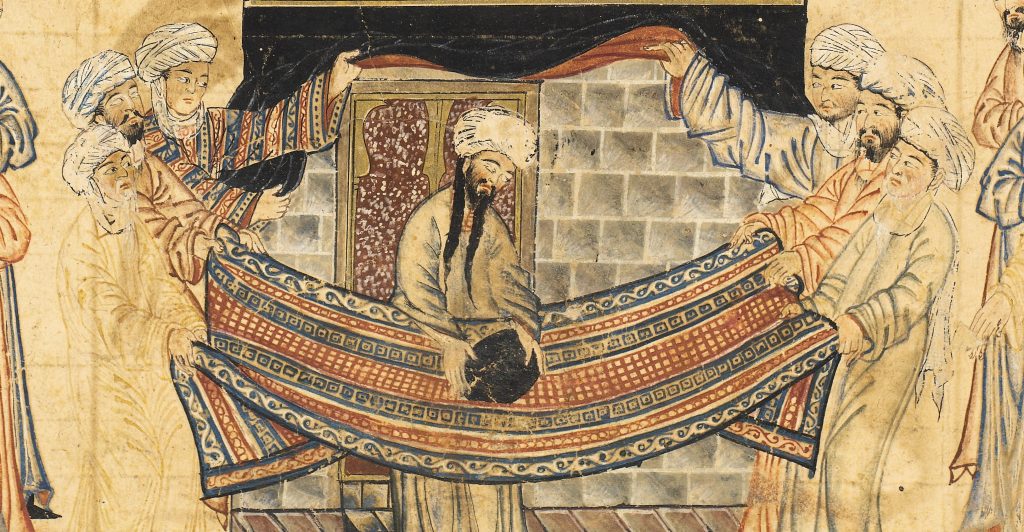
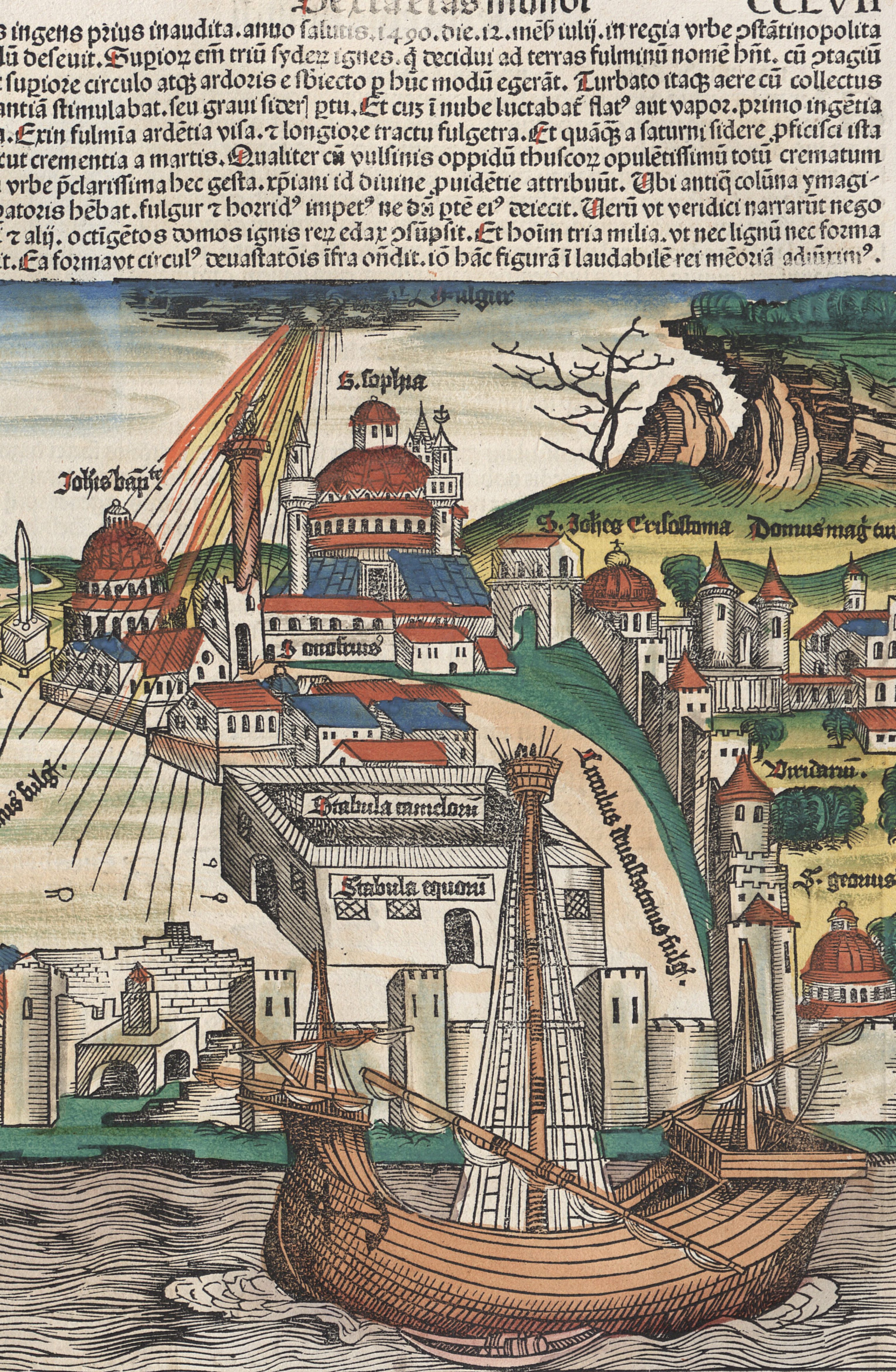
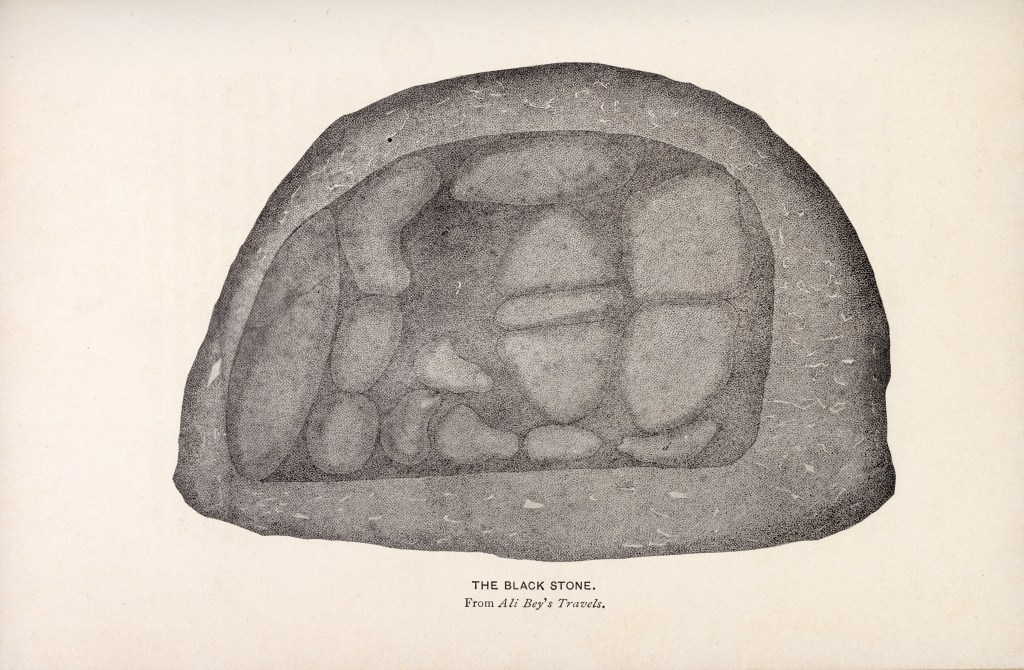
At the very beginning of his first chapter about the concept of lightness, in a manuscript prepared for the Charles Eliot Northon Lectures at Harvard in 1985, Italo Calvino writes: “My working method has more often than not involved the subtraction of weight. I have tried to remove weight, sometimes from people, sometimes from heavenly bodies, sometimes from cities; above all I have tried to remove weight from structure of stories and from language.” The work of art, and especially poetry, as Calvino tells us, involves the artist’s struggle against gravity and her or his aim at levitation. Calvino describes the artistic process as a rejecting-gravity activity. And indeed, looking at the world around us, one is astonished at how have we been occupied with verticality as motion, namely how have we been occupied in fighting against the natural phenomena of gravity. Towers, monuments, sculptures and even objects were erected or raised up upon podiums in a manner that usually aimed at ignoring the power of our globe’s gravity. At the same time, we also confront the natural and physical processes of constant disappearances of ‘the vertical’ into ‘the horizontal’, a process in which, slowly but continuously, solid and tangible objects lose their density and forms, crumble into pieces, and deteriorate, or, in less-peaceful and less-natural cases, namely through aggressive interventions, swiftly lose their weight and are being transformed into powder, and sometimes, as if in an alchemical laboratory, at the very last moments, just before they find rest on the horizontal line of the globe’s surface, appear like clouds of smoke aiming to the sky. This article aims at reflecting on another natural cosmic process, which moves in another direction, namely on the fall of meteors. The meteor, a cosmic floating stone, which gains weight and is reshaped at the very moment it enters the orbit our terrestrial globe, is an intriguing phenomenon. In contrast to the against-weight process discussed by Calvino, these fallen stones from the sky, which were and still are venerated as holy objects, present to us interesting cases for understanding how celestial and floating-in-the-air objects were gaining gravitas, formed into solid and defined substances, and considered as sacred things, in their terrestrial ‘after life’. At the focus of this study is the Black Stone (al-hajar al-aswad) of the Ka’aba in Mecca, a fragmented dark rock, which is set at the east corner of the Ka’aba in Mecca.
Biography:
Avinoam Shalem is the Riggio Professor of the arts of Islam at the Columbia University in New York. He served as director of the American Academy in Rome from 2020 to 2021. His main fields of interest concern the global context of the visual cultures of the world of Islam in the Mediterranean, medieval aesthetic thoughts on visual arts and craftsmanship, and the making of the image of ‘Islamic’ art as well as the modern historiography of the field. He has published extensively on varied topics concerning intercultural exchanges within and between the world of Islam and Europe. He directs at present the project Black Mediterranean/ Mediterraneo Nero – Artistic Encounters and Counter-narratives/ Incontri artistici e contronarrazioni, as part of the Getty Foundation’s Connecting Art Histories initiative (together with Alina Payne, Villa I Tatti, Harvard University Center for Italian Renaissance Studies in Florence).
 Home
Home 