Carol Armstrong
Learning to Walk: Cézanne’s Great Bather
Abstract:
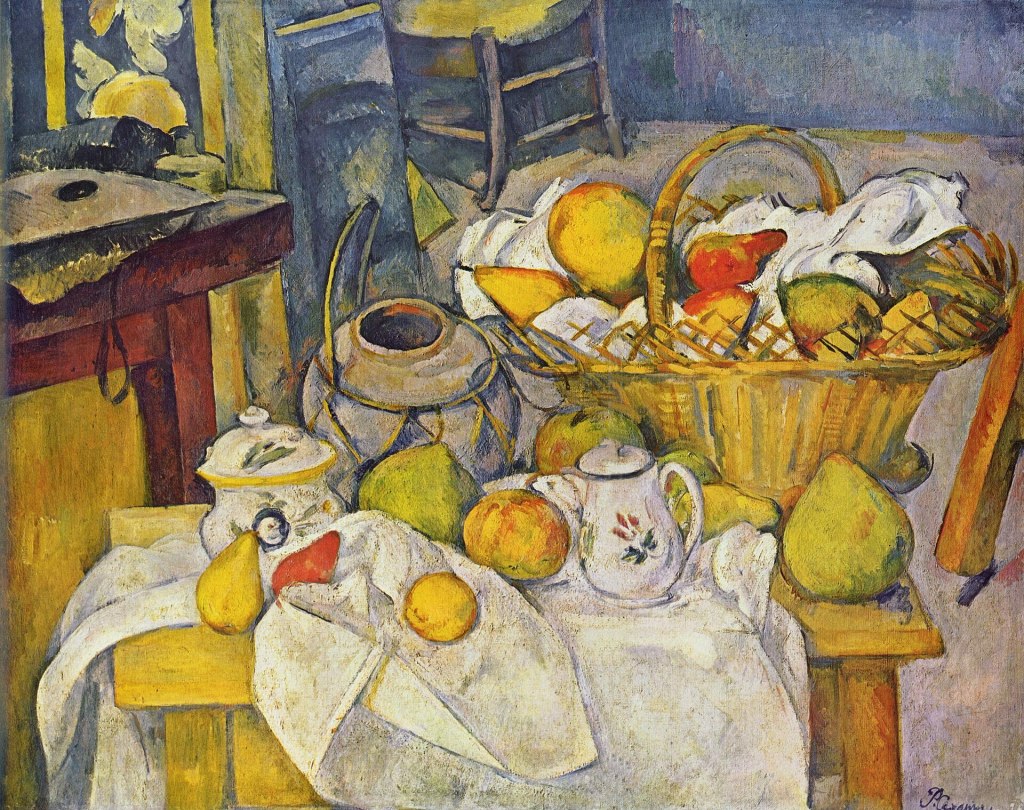
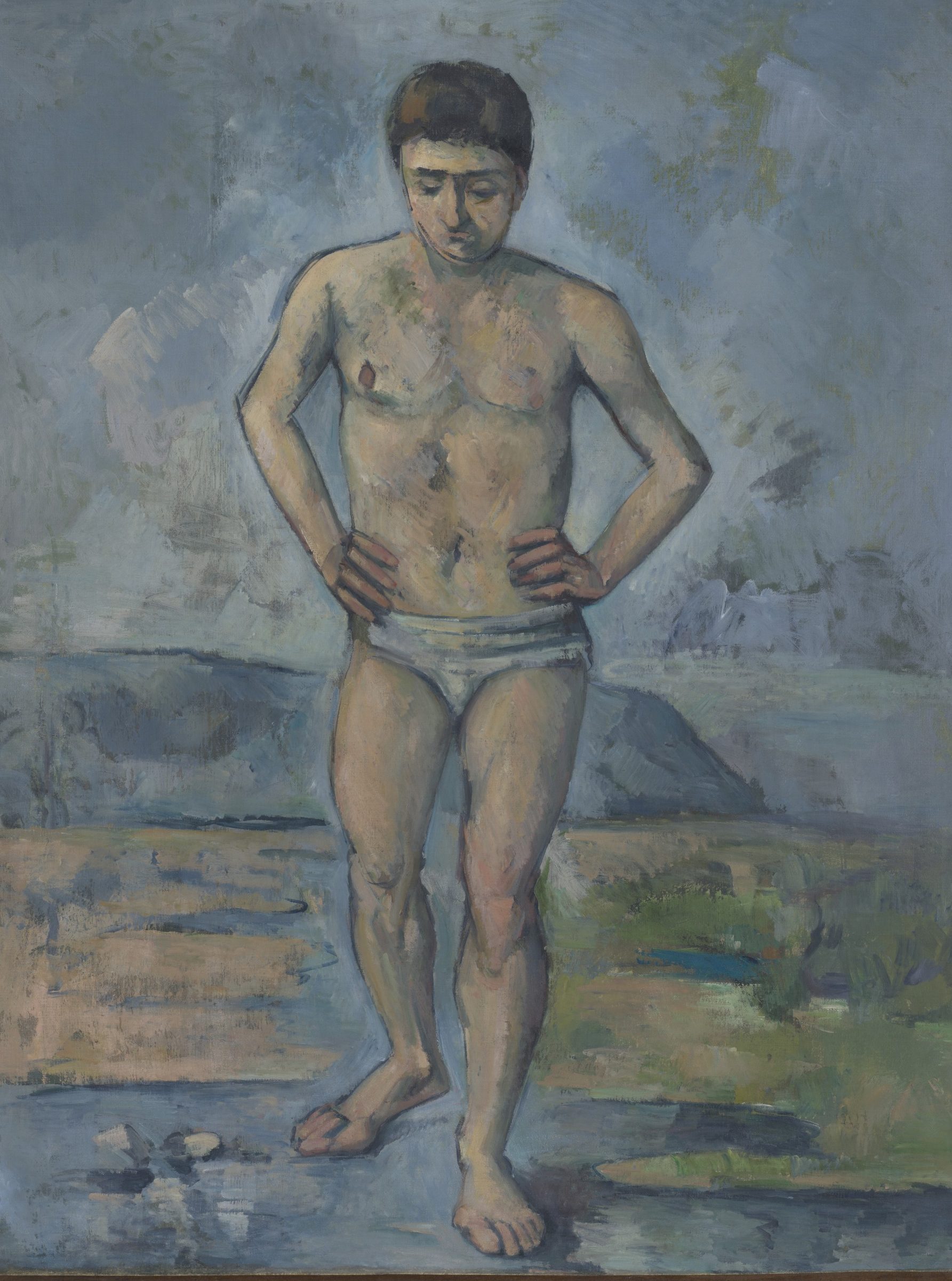
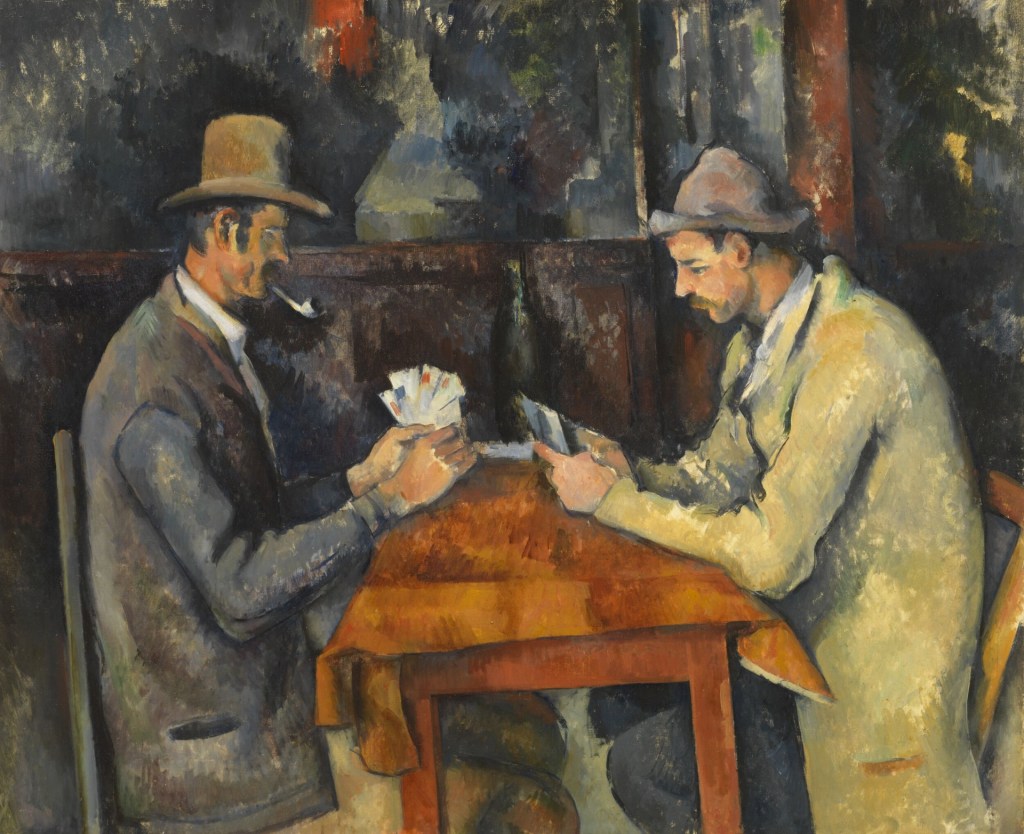
In this essay, I propose to treat Paul Cézanne’s 1885 Great Bather (MoMA) as an investigation of the process of standing upright, finding one’s balance and learning to walk, in relation to the countervailing forces of gravity and ground. Setting this one painting in relation to select paintings belonging to other genres—still life, landscape, portrait, genre painting—which also foreground the ground that we walk on, the tables that we sit at, and more generally the whole-body physicality of the spaces we inhabit—my aim is to understand this one famous painting as the nexus and crux of a career-long devotion to trying to render the phenomenological experience of being a gravity-resisting body in a gravity-bound world. Based simultaneously on a photograph of an upright male model that translates the classical contrapposto of an académie into a posture of remarkable awkwardness; on the pose of the central figure in the 1877 Bathers at Rest exhibited in that year’s Impressionist exhibition; and on a series of single-figure male nudes, modeled on Cézanne’s own son, shown balancing and diving from around the same time, The Great Bather, I argue, deploys its monumental, Adamic uprightness and its reduced, beginning-of-creation landscape to explore the primordial human condition of being vertical in a horizontal world.
Biography:
Carol Armstrong is professor emerita in the department of History of Art at Yale University, where she taught 19th century French painting, the history of photography, feminist theory, and the history of art criticism. She has written books and articles on Degas, Manet, and Cézanne, 19th century photographic illustration, and 19th, 20th and 21st century women painters and photo-graphers, among other things. Her 2018 book, Cézanne’s Gravity (Yale University Press), won the 2019 Robert Motherwell Book Award for an Outstanding Book on Modernism. Her most recent book, Painting Photography Painting, published by Mack Books in 2023, is an anthology of critical essays written between 1988 and 2021. She is currently at work on a book on medium-specificities considered from a feminist point of view, provisionally titled Medium Matrix Materiality. Most recently, she is the recipient of the 2025 CAA Award for Distinguished Lifetime Achievement for Writing on Art.
 Home
Home 