Jennifer van Horn
James Martin, Enslaved Artist/Acrobat: Silhouettes and Bodily Performance in the Early United States
Abstract:
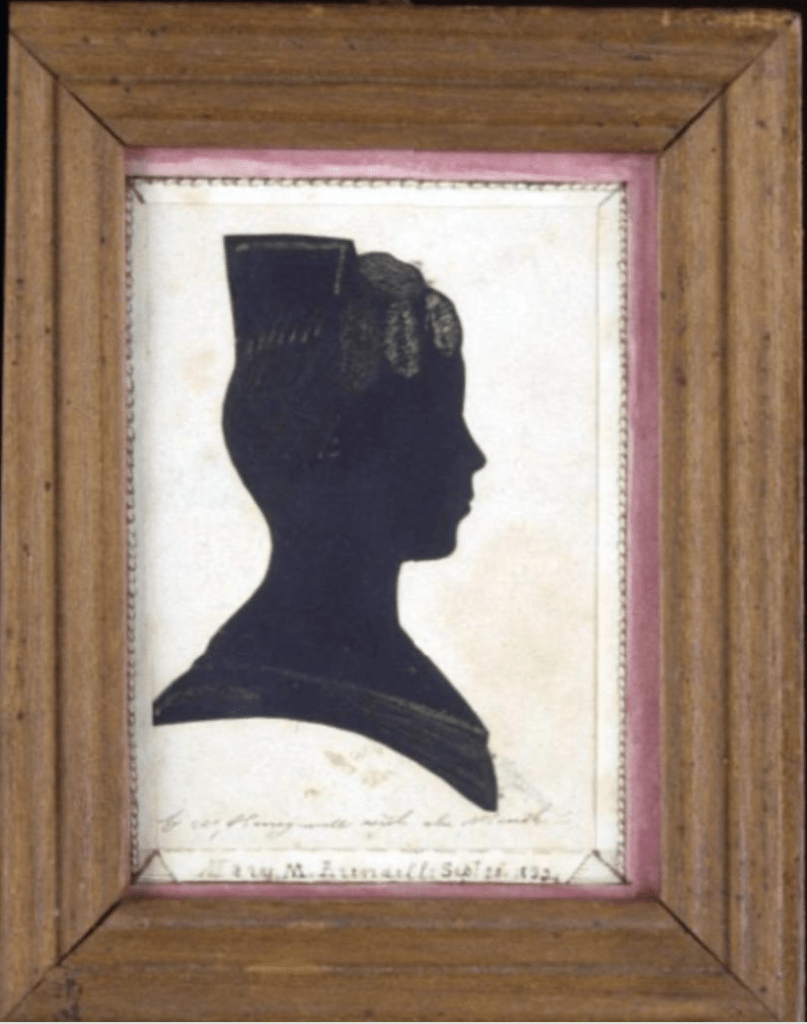
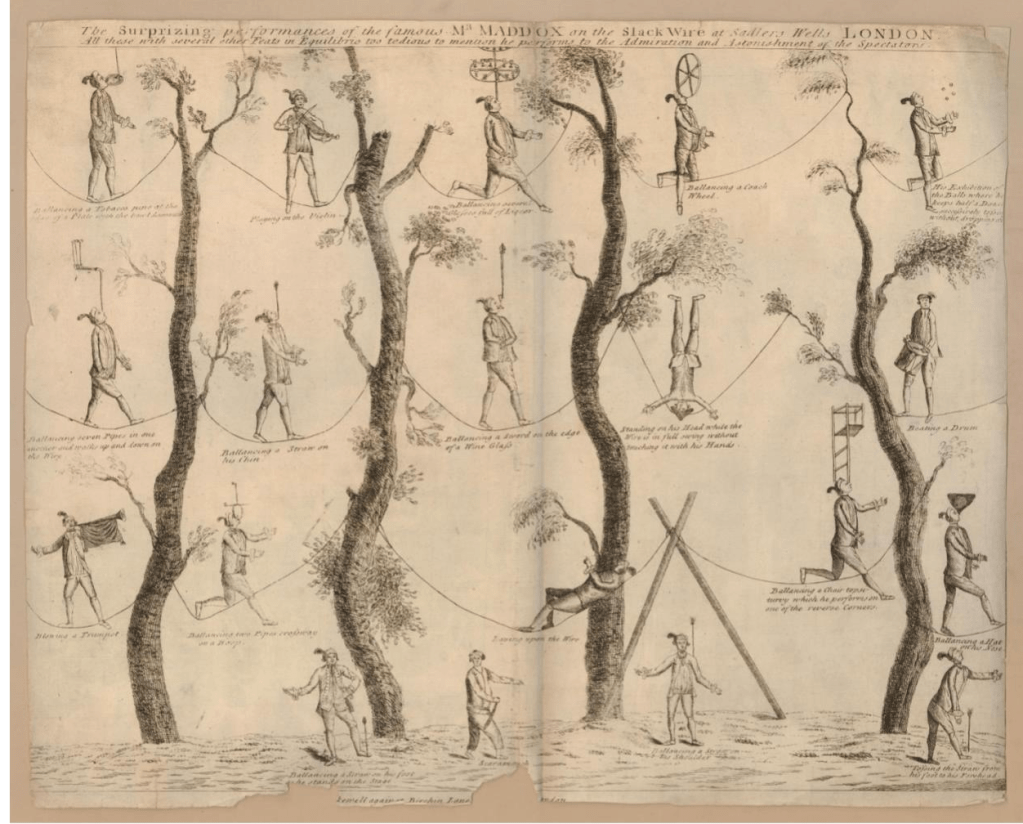
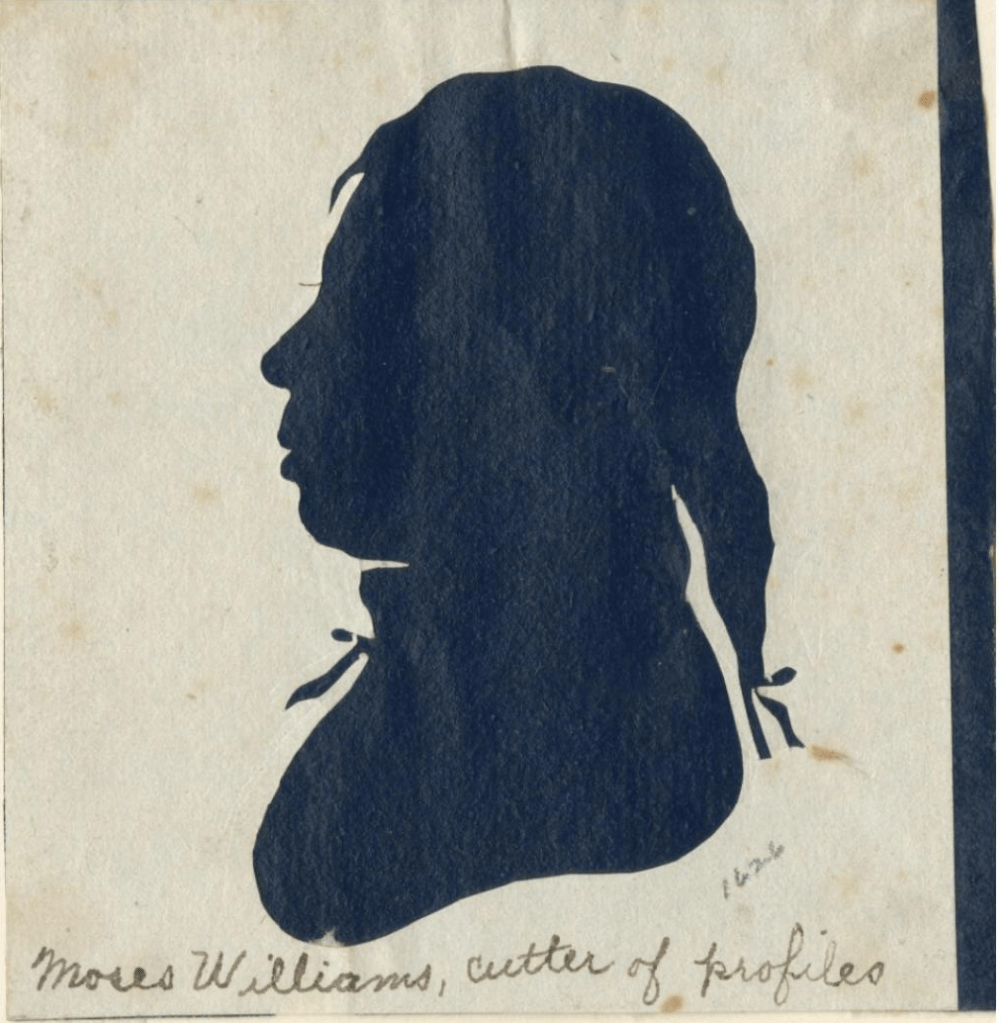
In 1808, James Martin of Annapolis, Maryland, self-emancipated. He appears in the historical record only through a newspaper advertisement that his enslaver placed in the hopes of apprehending him. The ad indicates that Martin, then in Baltimore, entertained audiences with “performances of ingenuity” that included “taking Likenesses in Profile” and walking the “slack wire.” We often consider silhouettes as products of hand-based technologies, especially the famed physiognotrace which forged an indexical relationship to the sitter’s profile (used by artists such as Moses Williams at Peale’s Museum in Philadelphia). Martin’s silhouette creation, I argue, belonged to a separate, understudied, tradition of silhouette cutting that entailed whole body performances which activated not only the hands but importantly the feet. These artists included the white disabled silhouettest Martha Ann Honeywell (1756-1856) who cut profiles “without hands” as she famously advertised (using her mouth and toes). By considering how the silhouette related to environments of bodily exertion that centered on the feet—Martin jumping on the slack wire with his toes providing balance for instance—we can begin to understand the silhouette as a tool for mobility, whether Honeywell’s 60 years as a travelling artist in Europe and the United States, or in Martin’s case as a freedom-seeker who leveraged silhouette creation and acrobatics to facilitate his self-emancipation. This alternative history of eighteenth and nineteenth-century silhouettes as mobile bodily performances builds from and intersects with disability studies, histories of Black art, and performance studies, as well as recent scholarship on the silhouette including the National Portrait Gallery’s exhibition and catalog Black Out (2018/19).
Biography:
Jennifer Van Horn holds a joint appointment as professor in Art History and History at the University of Delaware. She is the author of Portraits of Resistance: Activating Art During Slavery (Yale University Press, 2022) and The Power of Objects in Eighteenth-Century British America (Omohundro Institute, University of North Carolina Press, 2017). She co-edited a special double issue of Winterthur Portfolio entitled “Enslavement and Its Legacies” and is co-editing the collected volume The Disabled Gaze: Multi-Sensory Perspectives of Art, Bodies & Objects. She serves as the president of the Historians of Eighteenth-Century Art and Architecture (HECAA). Her research has been supported by the Center for Advanced Study in the Visual Arts at the National Gallery of Art, the National Portrait Gallery, the Smithsonian American Art Museum, the George Washington Presidential Library, and Winterthur Museum and Library.
 Home
Home 