Roland Betancourt
The Grounds of the Icon
Abstract:
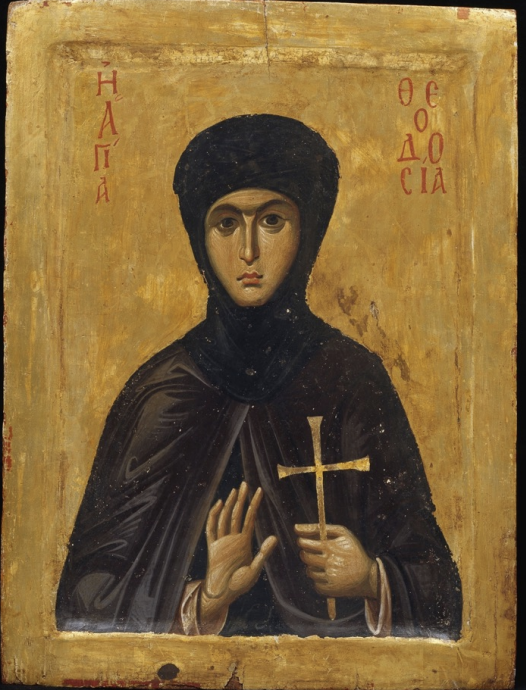
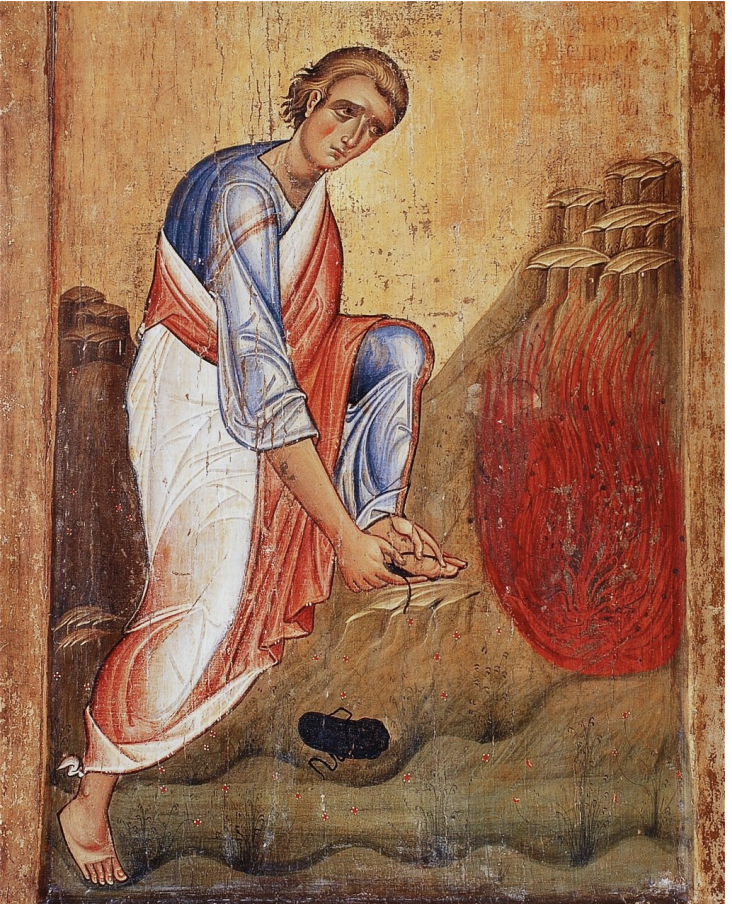
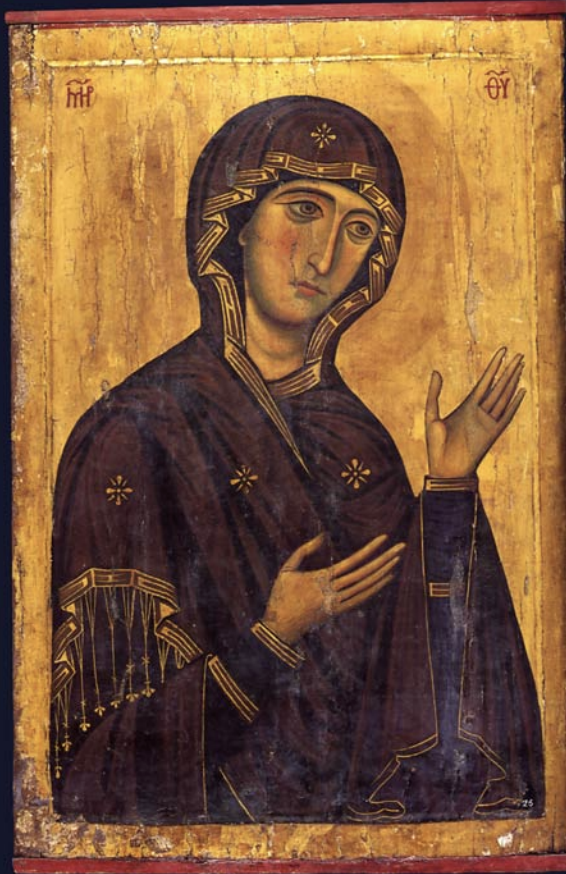
Considering the interplay between background and the depicted ground of the image, this article challenges conventional approaches to Byzantine gold-ground icons by arguing for a critical formalism that treats these objects as works of art rather than merely theological or liturgical artifacts. Through close analysis of two icons from St. Catherine’s Monastery at Sinai, Betancourt demonstrates how Byzantine painters explored the limits of representation through the interplay between pictorial ground and painterly ground. The article reveals how Byzantine artists employed abstract formal strategies that collapse the distinction between figuration and abstraction, using brushwork, outline, and spatial ambiguity to make viewers conscious of both the act of perception and the act of painting. This approach positions Byzantine art within a broader history of artistic experimentation, connecting medieval practices to modernist concerns with form, surface, and the undoing of illusionistic representation.
Biography:
Roland Betancourt is the Andrew W. Mellon Professor at the Center for Advanced Study in the Visual Arts at the National Gallery of Art. He also holds the distinction of Chancellor’s Professor at the University of California, Irvine and is a 2023 Guggenheim Fellow. His book, Byzantine Intersectionality: Sexuality, Gender, and Race in the Middle Ages (Princeton, 2020), won the Jerome E. Singerman Prize from the Medieval Academy of America and was a finalist for the Award of Excellence in the Study of Religion: Historical Studies by the American Academy of Religion. His most recent book is Disneyland and the Rise of Automation (Princeton University Press, 2026).
 Home
Home 