Tim Ingold
Feet of Clay
Abstract:
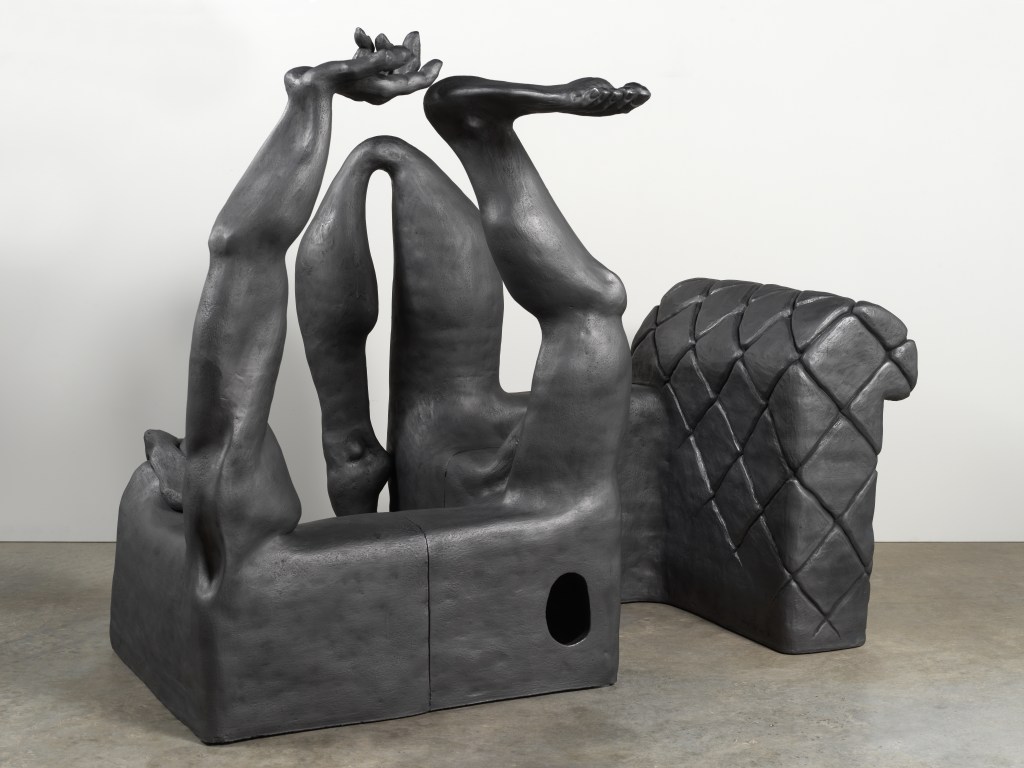
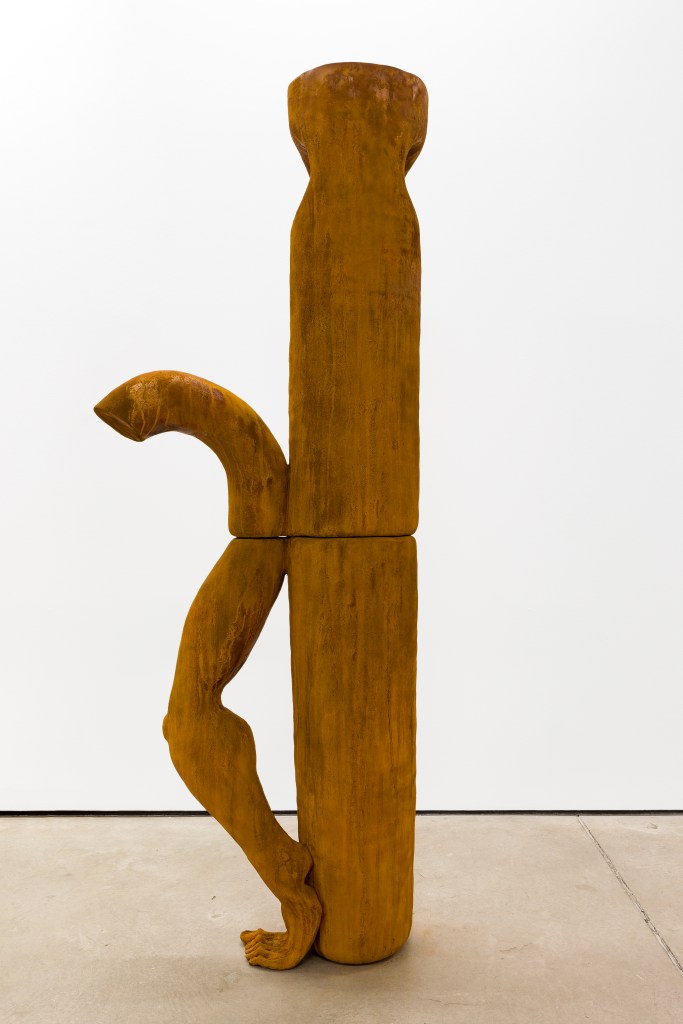
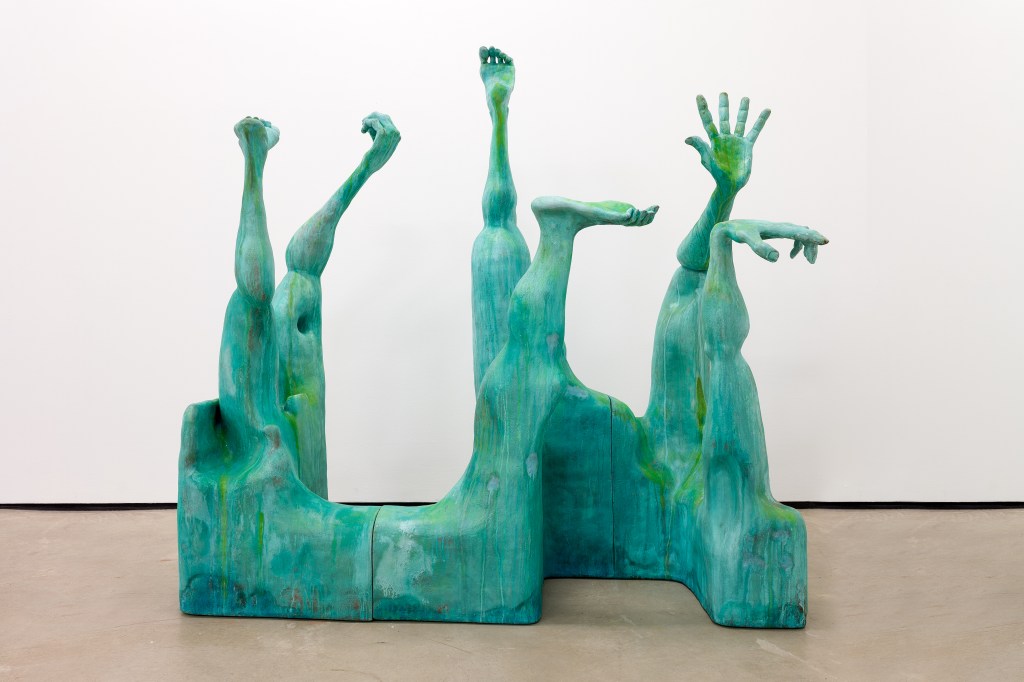
This essay, penned in response to the work of ceramicist Jesse Wine, explores the interval between gravity and grace traversed in the everyday act of getting up in the morning. Recumbent on a mattress, we are all arms and legs, but as we rise to a standing position – all eyes and ears, voice, hands and feet – we are ready to radiate into our surroundings, giving thanks for the regenerative gift of sleep. This is a movement of figuration. As the association of grace and gratitude shows, there can be no figuration without giving and receiving. Yet recumbency and uprightness, far from being absolutely opposed, hold our lives in a diurnal oscillation between the roll and stretch of awakening and the lean and sag of fatigue. It is different however for the statue which, unlike the living body, stands fast and erect on a solid base. The base has only to crumble, and the statue comes crashing down. Herein lie the meaning of the expression, ‘feet of clay’. But even as empires collapse and their statues fall, for life to go on we will still have to perform the daily miracle of rising from nocturnal slumber.
Biography:
Tim Ingold is Professor Emeritus of Social Anthropology at the University of Aberdeen. He has carried out fieldwork among Saami and Finnish people in Lapland, and has written on environment, technology and social organisation in the circumpolar North, on animals in human society, and on human ecology and evolutionary theory. His more recent work explores environmental perception and skilled practice. Ingold’s current interests lie on the interface between anthropology, archaeology, art and architecture. His recent books include The Perception of the Environment (2000), Lines (2007), Being Alive (2011), Making (2013), The Life of Lines (2015), Anthropology and/as Education (2018), Anthropology: Why it Matters (2018), Correspondences (2020), Imagining for Real (2022) and The Rise and Fall of Generation Now (2023). Ingold is a Fellow of the British Academy and the Royal Society of Edinburgh. In 2022 he was made a CBE for services to Anthropology
 Home
Home 