Yukio Lippit
The Floor-Sitting Artist
Abstract:
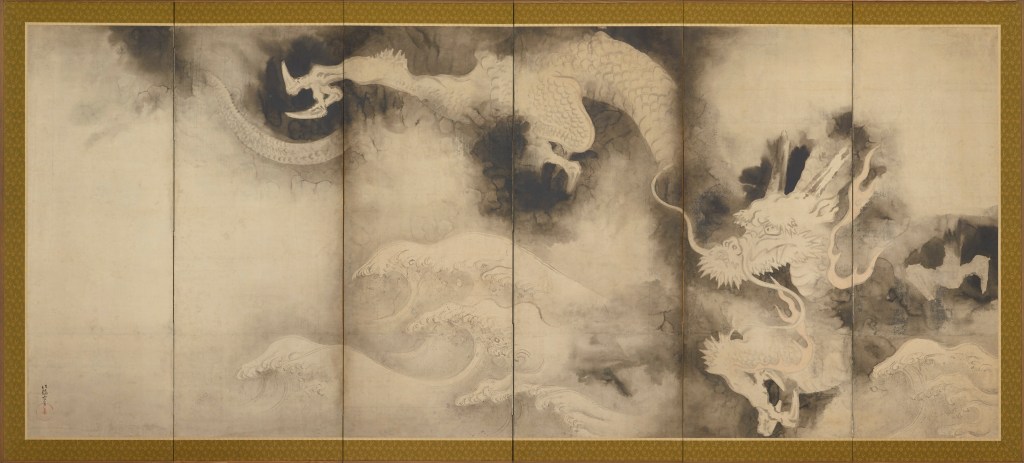
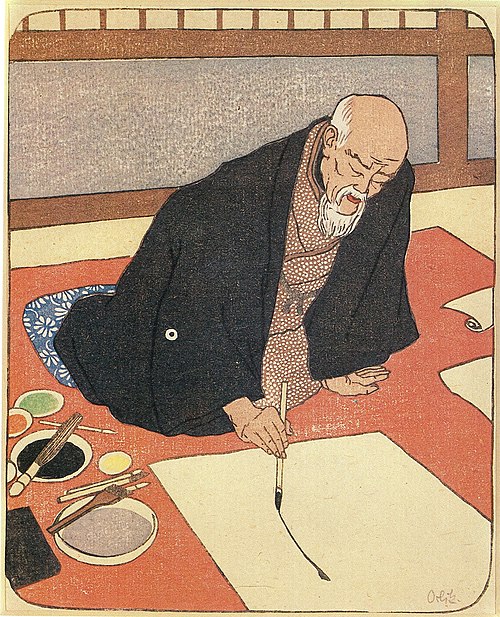
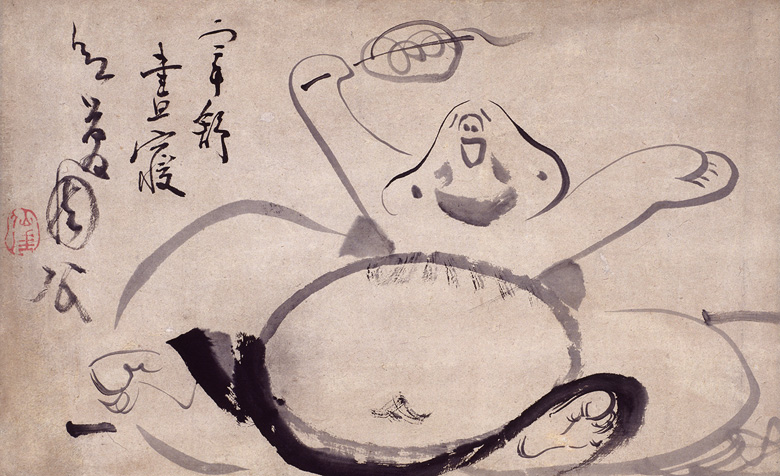
Even specialists of Japanese painting fail to realize that during the premodern era, artists in Japan almost without exception painted on the floor. This essay focuses on the ergonomics of traditional Japanese picture-making and considers its many art historical implications from a number of perspectives: 1) The position of painting within Japan’s floor-sitting culture more generally, how it relates to the seated viewer and the floor as a medium of sociability; 2) the practice of performative painting (sekiga) in the Edo period (1615-1868) and the incorporation of tatami marks into the texture of resulting works; and 3) how a fuller consideration of the floor-sitting artist necessitates different standards of legibility for the behavior of ink (ooze vs drip) and the relationship of mark to body and gesture.
Biography:
Yukio Lippit is Jeffrey T. Chambers and Andrea Okamura Professor of the History of Art and Architecture at Harvard University. His book Painting of the Realm: The Kano House of Painters in Seventeenth-Century Japan (2012) was awarded the Charles Rufus Morey Book Award by the College Art Association and the John Whitney Hall Book Prize by the Association of Asian Studies. Other books include Colorful Realm: Japanese Bird-and-Flower Paintings by Itō Jakuchū (1716-1800) (2012), Japanese Zen Buddhism and the Impossible Painting (2016), and The Artist in Edo (2018). Current research projects include a collection of essays on Japanese architecture and a book-length study on the Shōsōin Imperial Treasury in Japan, a collection of over 9,000 eight-century objects spanning numerous Silk Road and East Asian cultures.
 Home
Home 